
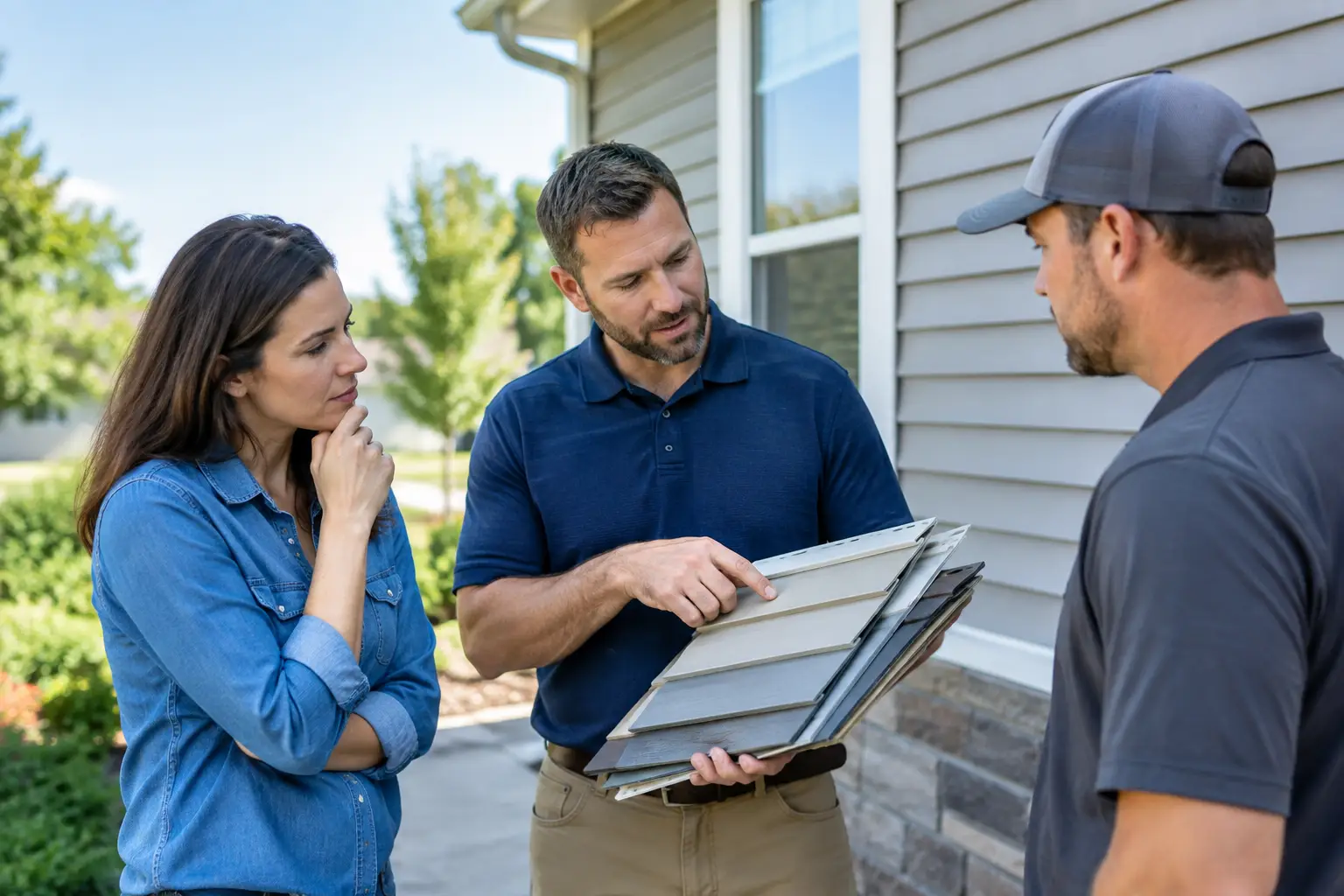
A loose panel after a spring storm is one thing. Faded, cracking, or warped siding across an entire home is another. When the exterior is no longer protecting the house or reflecting the care you put into it, choosing among Tulsa siding contractors becomes a decision about more than color. It is about weather protection, workmanship, communication, and how the finished project will fit the home you already love.
Tulsa homes face strong sun, wind, hail, humidity, and quick weather changes. Those conditions can expose weak installation details just as quickly as they expose aging materials. A siding project deserves a clear conversation before work begins, not a rushed quote at the front door.
Start With the Condition of Your Home
Before comparing products or estimates, take a close look at what is happening beneath the surface. Siding that appears worn may be a straightforward replacement project. But soft spots, recurring moisture stains, peeling paint near trim, or gaps around windows can point to repairs that need attention first.
A dependable contractor should be willing to discuss those findings plainly. Sometimes replacing siding is the right next step. Other times, localized carpentry repairs, window or door work, updated trim, or better water management should be part of the scope. Covering a problem without addressing its cause can lead to frustration and extra expense later.
Think about what you want the project to accomplish. Are you trying to reduce exterior maintenance? Improve curb appeal before selling? Correct storm damage or rot? Make the home feel more finished with updated trim and shutters? A clear goal helps you evaluate recommendations without getting pulled toward upgrades that do not serve your priorities.
What Tulsa Siding Contractors Should Explain Clearly
An estimate should give you more than a total price. It should help you understand what work is included, what conditions could affect the scope, and what the installation process will look like at your home.
Ask how the contractor evaluates the existing wall surface and whether damaged sheathing, trim, or framing will be addressed if discovered. Ask how siding will be installed around windows, doors, corners, rooflines, and penetrations. These areas may not be the first thing you notice from the street, but they are where careful flashing, sealing, and finishing matter most.
It is also reasonable to ask who will perform the work, how the property will be protected during construction, and how cleanup will be handled. A good answer should be specific without turning the conversation into a high-pressure sales presentation.
Materials Should Fit the House and the Goal
There is no one siding material that fits every Tulsa home. The best choice depends on the home’s architecture, existing condition, maintenance expectations, budget, and the appearance you want to achieve.
Vinyl siding can be a practical option for homeowners who want a lower-maintenance exterior and a wide selection of colors and profiles. It can offer good value, but proper installation remains essential. Details around trim, transitions, and expansion allowance affect how the finished siding performs and looks over time.
Fiber cement can provide a substantial painted appearance and works well for many traditional and contemporary homes. It is often selected for its durability and design flexibility, though it can carry a higher installation cost and will need appropriate painting and maintenance over the years.
Engineered wood products may offer another balance of appearance, durability, and cost. Natural wood siding has a character that is hard to duplicate, especially on older homes, but it requires a realistic commitment to finishing and upkeep. The right answer is not always the material with the biggest marketing claim. It is the one that makes sense for your home and your plans for it.
Look Beyond the Sample Board
A sample can help you compare colors and textures, but it cannot show how the entire exterior will come together. Ask to discuss the siding profile, trim width, corner boards, soffit, fascia, shutters, and the transition points where new work meets existing features.
This is especially important if your home has an unusual roofline, older windows, brick accents, a porch, or custom details. A well-planned siding project should respect those features rather than make them look like an afterthought. Coordinating exterior improvements can also be more efficient than addressing each item separately, depending on the condition of the home and your budget.
Compare Estimates on Scope, Not Just Price
The lowest number on paper may not be the lowest cost once omissions, change orders, or premature repairs enter the picture. Compare estimates line by line where possible. Make sure you know whether removal and disposal of existing siding are included, what trim work is included, whether repairs are priced separately, and whether paint or finishing is part of the project.
A lower bid may still be the right choice when the scopes are genuinely equal and the contractor has a solid record. But if one estimate is much lower, ask why. It may reflect a different material, fewer included details, limited repair allowances, or a different approach to preparation.
You should also understand the schedule. Exterior work depends on weather, material availability, and the size of the project. A contractor cannot promise perfect weather, but they should communicate how weather delays are handled and what you can expect while work is underway.
Local Experience Has Practical Value
A contractor who has worked in the Tulsa area for years understands the styles of local homes and the weather patterns that affect them. That experience can make the conversation more practical, from recognizing common trouble spots to recommending exterior details that fit the neighborhood and the house.
Local operating history also gives homeowners a clearer way to evaluate accountability. Look for visible examples of completed work, straightforward communication, and a process for addressing questions after the project is finished. Reviews can be useful, but pay attention to the themes behind them: whether homeowners mention punctuality, cleanliness, responsiveness, and follow-through.
At Shipman Home Improvement, the work begins with a free estimate and a clear, no-pressure conversation. Tell us what you want to accomplish, what concerns you have about the exterior, and what timeline you are working with. From there, the recommendations should be shaped around the home, not a one-size-fits-all sales pitch.
Questions Worth Asking Before You Hire
You do not need to become a siding expert before meeting with contractors. You do need enough information to make a comfortable decision. During an estimate, ask how the company handles hidden damage, what is included in the written scope, and how material and workmanship warranties apply.
Ask whether they can coordinate related work if needed, such as replacement windows, exterior doors, porch repairs, deck work, or custom wood shutters. One accountable team can simplify a larger exterior project, though separate specialists may make sense for highly specialized work. The best arrangement depends on the work itself and who is responsible for the final result.
Finally, pay attention to how the conversation feels. If you are being pushed to sign before you understand the scope, slow down. A home improvement decision of this size should leave you with clear answers, not more uncertainty.
Your siding has a daily job to do: protect the structure, support comfort indoors, and give the home a well-cared-for appearance. Take the time to choose a contractor who treats every one of those details as part of the job.