
A fogged window, soft deck board, dated bathroom, or siding that no longer looks like it belongs on the house can be easy to live with - until it is not. A free home improvement estimate in Tulsa gives you a place to start without committing to a project before you understand its scope, priorities, and likely path forward.
For many homeowners, the hardest part is not choosing a color or fixture. It is figuring out what the house actually needs, what can wait, and who will listen before offering a solution. A useful estimate should make those decisions clearer. It should not leave you feeling rushed, confused, or pressured to sign before you have had time to think.
What a free home improvement estimate should accomplish
An estimate is more than a number on a page. It is an initial project conversation about the condition of your home, what you want to change, and the work needed to get there. Whether you are considering replacement windows, new siding, a deck, a bathroom update, or a repair, the details matter.
A contractor needs to see the space. A window opening may have trim damage that affects installation. A porch may need attention at the steps, railings, or framing before a new surface makes sense. A kitchen plan may depend on how the room functions for your household, not simply how it looks in a photo.
The best conversations begin with your goals. Tell us what you want to accomplish. Maybe your priority is reducing drafts, making an entry easier to use, updating curb appeal, creating outdoor space for family gatherings, or addressing long-delayed maintenance. Those goals help shape practical recommendations.
A clear estimate also recognizes that not every project needs to happen at once. Sometimes completing an exterior repair before painting or siding work is the sensible order. Sometimes a homeowner chooses to replace several windows together for consistency and efficiency. Other times, one damaged door or a single bathroom improvement is the right place to begin. The right scope depends on the home, the budget, and your timeline.
Preparing for a free home improvement estimate in Tulsa
You do not need a complete plan before requesting an estimate. In fact, many homeowners call because they need help sorting through the options. Still, a little preparation can make the appointment more productive.
Start by walking around the project area and noting what you see. For exterior work, look for areas that feel loose, worn, rotted, difficult to operate, or exposed to the weather. Inside, consider what creates daily frustration: poor storage, a tub that is hard to step into, an entry door that sticks, or a room layout that no longer serves your family.
It also helps to decide which outcome matters most. If you are considering siding, is weather protection the immediate concern, or are you mostly focused on appearance? If you are planning a deck, do you need more usable space, safer access, or a layout that works better with your yard? There may be room to address both, but knowing the priority supports better decisions when trade-offs arise.
During the visit, make a point of sharing practical constraints. Mention a hoped-for completion window, whether you are preparing to sell, and any accessibility needs. If you have a budget range in mind, you can share it. A range is not a commitment. It simply helps the conversation stay grounded in options that make sense for you.
Photos and inspiration can be helpful, especially for kitchens, bathrooms, shutters, porches, and exterior updates. Bring them along, but leave room for the realities of your specific home. A design that looks good on another house may need adjustment for your home’s dimensions, existing materials, or style.
What happens during the visit
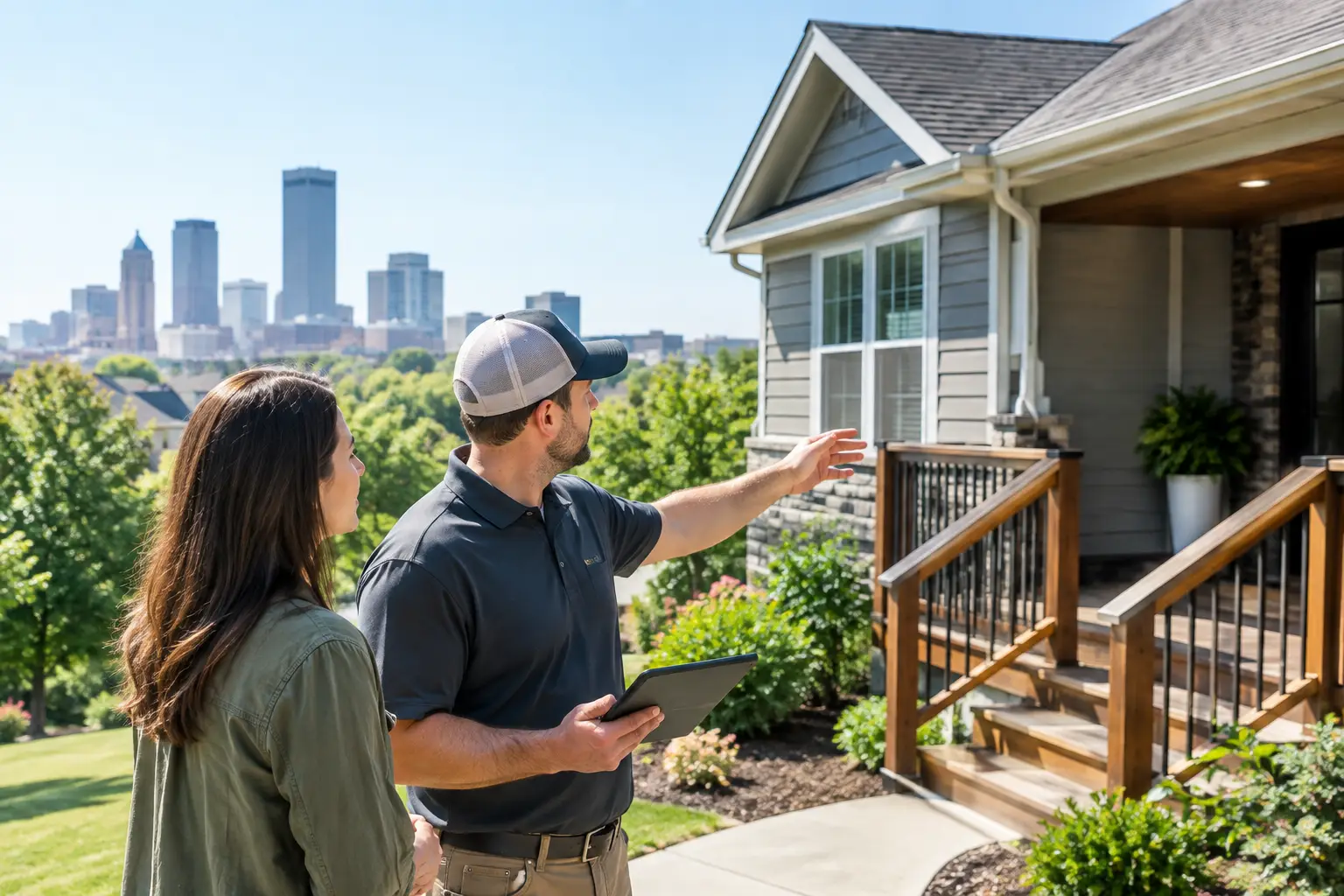
A professional estimate appointment generally begins with listening, then moves into observation and measurement. The contractor should ask questions about how you use the space and inspect the parts of the home that affect the work. This is how a broad request such as “I need new siding” becomes a project plan that accounts for trim, transitions, existing conditions, and the finish you want.
For replacement windows and doors, measurements and operational concerns are central. Are windows hard to open? Is moisture collecting between panes? Does the door close securely? These details affect the recommendation and installation approach.
For a bathroom remodel, the conversation may center on comfort, surfaces, storage, and everyday movement through the room. For decks, porches, ramps, and carpentry repairs, safe access, structural condition, drainage around the area, and how the new space will be used all deserve attention.
Expect questions, and ask your own. A no-pressure estimate should feel like a two-way conversation. You should leave with a better understanding of what the work involves, not just a sales presentation.
Questions worth asking before you decide
The estimate stage is the right time to ask for plain answers. You may want to know what work is included, what existing conditions could affect the plan, and how the project will be scheduled. Ask how the installation process will affect daily access to your home and how the work area will be handled while the project is underway.
For larger projects, ask whether the work can be phased and what order makes the most sense. This is especially useful when a home needs more than one improvement, such as windows and siding or a porch repair followed by new steps and railings. Doing related work together can sometimes be practical, but it depends on the condition of the house and the project goals.
You can also ask about material options without assuming that the most expensive choice is automatically the best choice. A good recommendation considers durability, appearance, maintenance expectations, and where the material will be used. The goal is not to add features you do not need. It is to choose work that serves your home well.
If financing would make a substantial project easier to manage, ask for information early in the process. Financing resources can help qualifying customers spread project costs over time, but the project itself should still be shaped around a realistic plan for your household.
Why local experience changes the conversation
Tulsa-area homes come in many ages and styles, from established neighborhoods with original details to newer homes ready for a more personal exterior or improved outdoor living space. Those differences show up in the estimate. Older openings may not be square. Existing trim may need repair before new materials are installed. A custom shutter, ramp, porch, or carpentry detail may need to fit the proportions of the house rather than follow a one-size-fits-all pattern.
Local experience also brings practical context. Oklahoma weather asks a lot of exterior materials and installation details. Heat, wind, rain, and seasonal temperature changes can expose weak spots in siding, doors, trim, decks, and porches. Looking carefully before beginning work helps prevent a cosmetic improvement from covering a problem that deserves attention first.
Shipman Home Improvement has worked with local homeowners since 1982, approaching estimates as the beginning of a working relationship rather than a quick transaction. That means looking at the whole project, explaining the choices in everyday language, and respecting that the final decision belongs to the homeowner.
After the estimate: give yourself room to decide
Once you have discussed the project, take time to review the scope and consider how it fits your priorities. A clear proposal should help you compare options based on the actual work involved, not just a bottom-line figure. If something is unclear, ask for clarification. It is easier to align expectations before work begins than after materials are selected and schedules are set.
You may decide to move forward right away, adjust the scope, or put the project on a future timeline. All three are reasonable outcomes of an estimate. The value of the visit is having a clearer picture of your home and your options.
The right home improvement project should make daily life feel better - a door that operates properly, a safer approach to the porch, a bathroom that works more comfortably, or an exterior that feels cared for again. Start with a straightforward conversation, and let the next step be guided by what your home truly needs.