
A loose handrail, a sticking exterior door, or peeling paint around a window may feel like small items when you live with them. To a buyer walking through for the first time, they can suggest a home that has not been maintained. That is why repairs before selling a house are less about making everything new and more about removing the questions that make buyers hesitate.
For Tulsa-area homeowners, the best pre-sale work usually protects the house, improves its first impression, and makes everyday features work as expected. The right scope depends on your home’s condition, the local market, your timeline, and how much work you are prepared to take on. A clear, no-pressure conversation with an experienced contractor can help separate worthwhile repairs from projects that are unlikely to change a buyer’s decision.
Start With Problems Buyers Can See or Feel
Buyers notice the front of the home before they notice the floor plan. They also test things almost automatically: doors, windows, cabinet drawers, deck steps, railings, and faucets. A feature does not have to be brand-new, but it should feel safe, solid, and cared for.
Walk through the property from the curb to the backyard as if you have never seen it before. Look for damaged siding, rotted trim, missing caulk, cracked or loose steps, worn deck boards, sagging gates, peeling exterior finishes, and shutters that are loose or out of proportion. Inside, pay attention to damaged drywall, worn caulk around a tub or shower, cabinet doors that will not close, and doors that rub or latch poorly.
These are often sensible repairs because they are visible and concrete. They show buyers that basic maintenance has not been put off. They can also reduce the chance that a small, obvious defect becomes a larger point of concern during an inspection.
Put Safety and Water Protection First
Not every repair carries the same weight. Safety concerns and signs of water exposure deserve attention before cosmetic upgrades. A wobbly porch railing, deteriorated deck structure, soft exterior wood, a poorly functioning entry door, or window trim showing moisture damage can change how buyers view the entire property.
Exterior details matter especially in Oklahoma, where heat, wind, and seasonal storms can be hard on finishes and exposed materials. Addressing damaged siding or trim, sealing openings around windows and doors where appropriate, and repairing deteriorated exterior wood can help the home look more protected and complete.
Do not try to hide a significant problem with a quick surface fix. If damage is widespread or its cause is unclear, ask for a professional assessment. A repair that solves the visible symptom but leaves the underlying issue untouched can create trouble later.
Repairs Before Selling a House That Usually Make Sense
The strongest pre-sale improvements tend to be practical rather than flashy. Buyers may not pay extra for every individual repair, but they do respond to a home that feels ready to own.
Exterior touch-ups are often a good place to start. Repairing damaged siding, replacing rotted trim, fixing a porch step, stabilizing railings, and correcting a door that sticks can make the exterior feel dependable. Fresh paint may help when surfaces are worn, but paint works best after carpentry repairs are complete.
Windows and exterior doors deserve a close look as well. A door that is difficult to operate or has visible wear makes a daily task feel frustrating. Windows with damaged frames, broken hardware, or obvious deterioration can distract buyers even if the rest of the room looks good. Replacement is not always necessary, but a targeted repair or replacement may be reasonable when the condition is clearly affecting function, appearance, or weather protection.
Bathrooms and kitchens are another place to focus on condition over major reinvention. Recaulking a tub surround, repairing damaged cabinet components, replacing a worn vanity top, or correcting visible finish damage can make a room feel cleaner and better maintained. A full remodel can be a worthwhile personal investment, but it is not automatically the best move just before a sale.
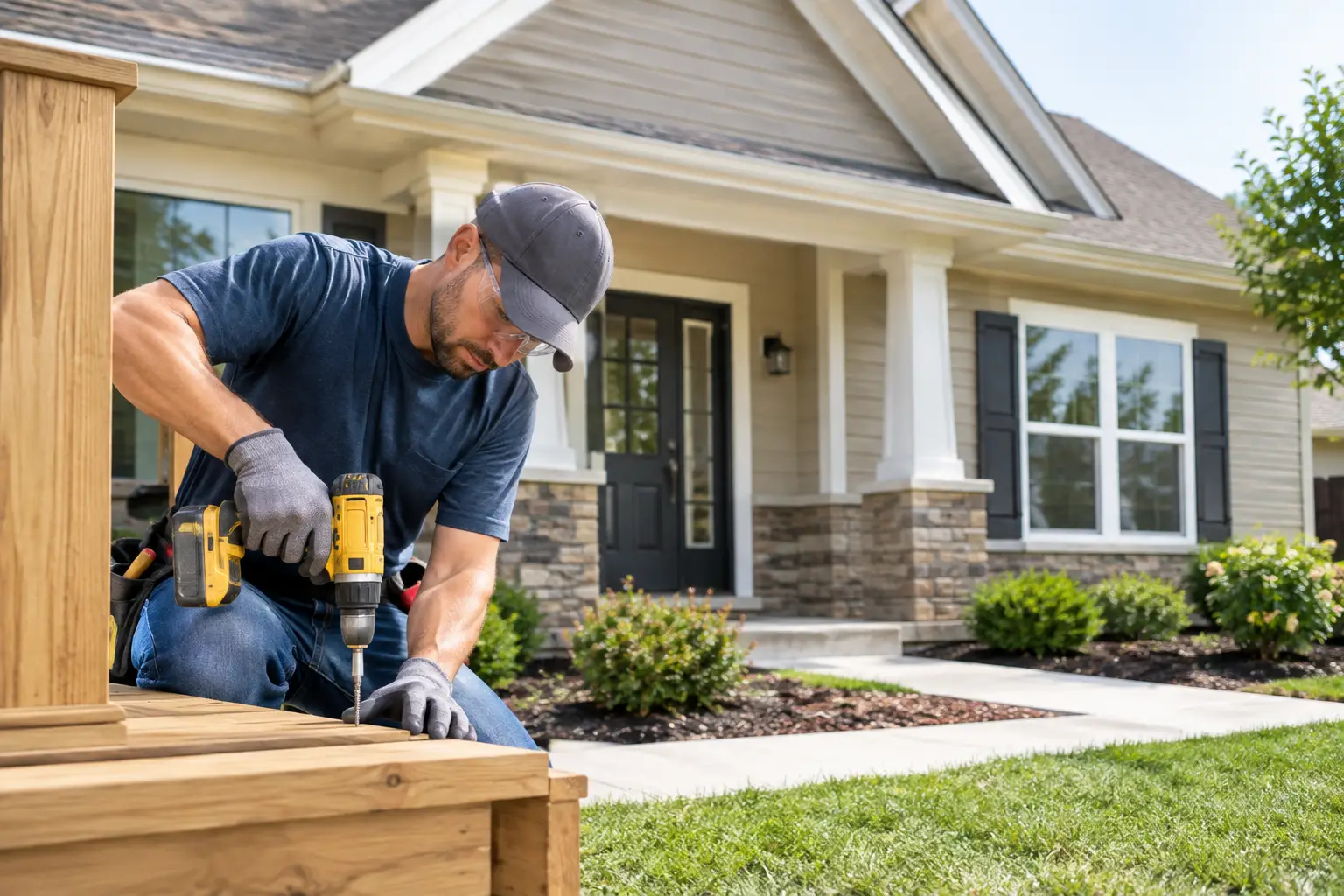
Outdoor living spaces also shape a buyer’s first impression. A deck or porch does not need expensive extras to be appealing. It needs to feel sound, safe, and usable. Repairing loose boards, deteriorated handrails, uneven steps, or damaged skirting can help buyers picture themselves using the space instead of adding it to a future project list.
Be Careful With Big, Personal Upgrades
A common pre-sale mistake is renovating for the seller’s taste rather than preparing for the buyer’s confidence. You may love a bold cabinet color, a highly customized built-in, or an elaborate exterior feature. A buyer may see it differently and budget to change it.
That does not mean you should avoid all improvements. It means the decision should match the home and the neighborhood. If a kitchen is badly worn, incomplete, or functionally outdated, a thoughtful update may make sense. If it is simply not the newest style, cleaning, minor repairs, and neutral touch-ups may be enough.
The same logic applies to replacement windows, doors, siding, and larger exterior projects. When an existing component is failing, visibly damaged, or no longer serving the house well, replacement can be a practical improvement. If it is still functional and presentable, a repair may be the better use of your time and budget.
Before committing to a larger project, consider three questions: Will buyers see the existing condition as a problem? Will the work make the home easier to show or easier to inspect? Is the improvement likely to fit the price range and expectations of nearby homes? Honest answers keep pre-sale spending grounded.
Plan the Work Around Your Listing Timeline
Repairs become more stressful when they are started too close to photographs, showings, or a planned move. Give yourself room to evaluate the house, request estimates, choose materials, complete the work, and clean up afterward.
Begin with an outside inspection in daylight, then move indoors room by room. Make one list of repairs that affect safety, function, and visible damage. Make a second list of cosmetic improvements that would be nice to have. This helps you protect the essentials if time or budget becomes tight.
It is also wise to coordinate the order of work. For example, exterior carpentry should happen before painting. Window or door work may affect surrounding trim. Deck and porch repairs should be finished before landscaping and final exterior cleaning. A contractor who understands the full scope can help you avoid doing the same area twice.
If you are working with a real estate professional, ask what buyers are responding to in your specific area and price range. Their market perspective can complement a contractor’s view of what the home needs physically. One helps you prioritize buyer expectations; the other helps you understand the work itself.
Choose Repairs That Tell a Consistent Story
The goal is not to make an older house look like a new build. The goal is to help it present honestly and confidently. A well-kept older home with repaired woodwork, functioning doors, clean bathroom details, and a solid porch can be more appealing than a house with one expensive new feature surrounded by deferred maintenance.
Good repairs tell buyers that the property has been looked after. They also make the showing experience easier: the front door opens smoothly, the railing feels secure, the deck feels usable, and the rooms look clean rather than unfinished. Those impressions add up before anyone starts comparing paint colors or appliance finishes.
If you are preparing to sell in Sand Springs, Tulsa, Sapulpa, Broken Arrow, or a nearby community, Shipman Home Improvement can help you talk through exterior repairs, practical carpentry, windows, doors, decks, porches, and focused updates. Tell us what you want to accomplish, and start with the work that helps your home feel ready for its next owner.