
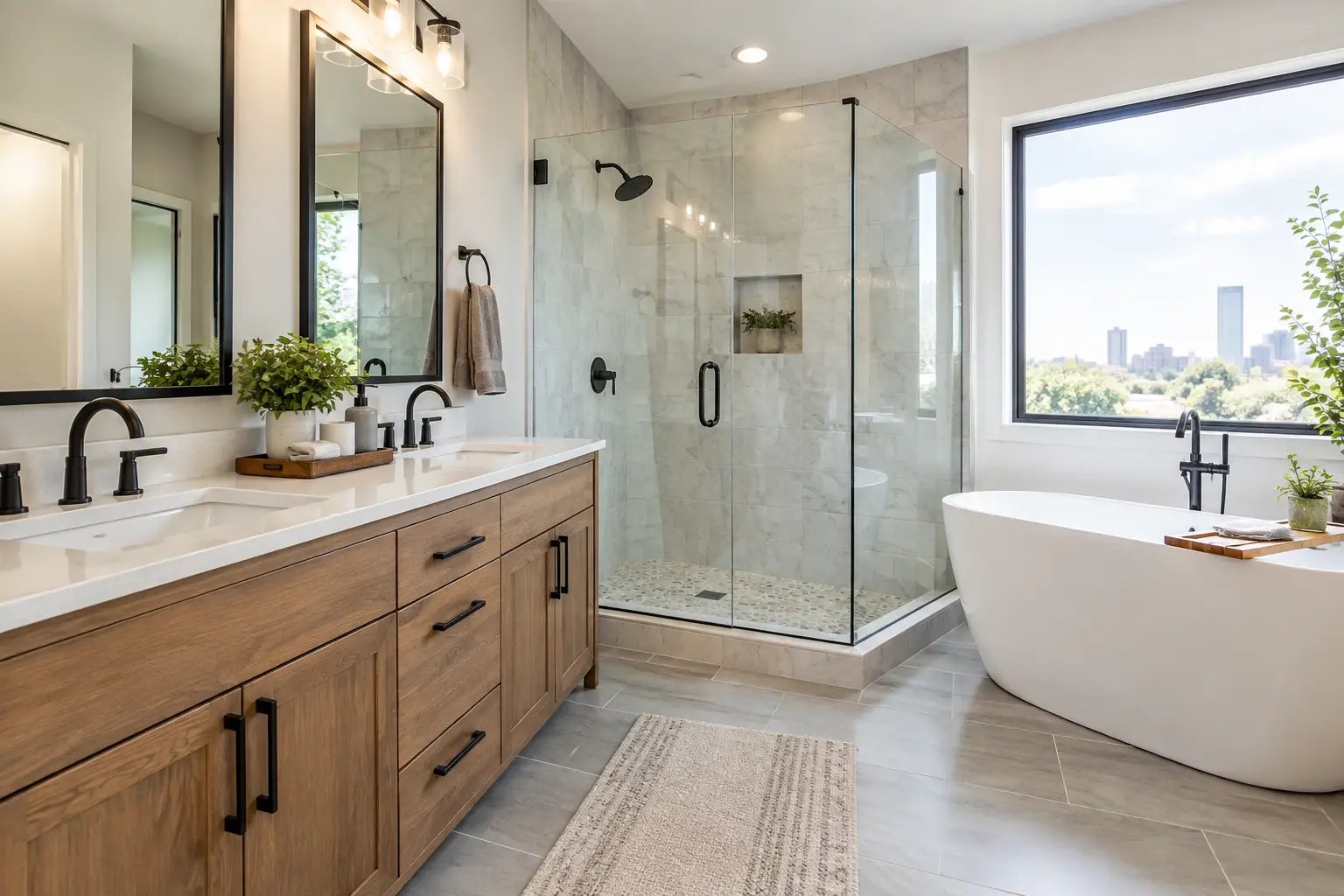
The bathroom is often the smallest room in the house, but it carries a heavy daily workload. A tight shower opening, poor lighting, worn flooring, or a vanity with nowhere to set a toothbrush can become a frustration every morning. A well-planned Tulsa bathroom remodel is not just about making the room look newer. It is a chance to make everyday routines easier, safer, and more comfortable.
For Tulsa-area homeowners, the best remodeling decisions start with a clear look at how the room is used now and what needs to change. Some households need a more practical hall bath for children and guests. Others want a primary bathroom that feels calmer and better organized. Still others need accessibility improvements that let them stay comfortably in the home they already know and love.
Start With the Way Your Bathroom Needs to Work
Before choosing tile or a new faucet finish, think through the routine that happens in the room. Who uses the bathroom? Is it busy during the morning rush? Does someone need a lower threshold shower, better grab-bar placement, or more room to move safely? Are towels, toiletries, and cleaning supplies always competing for the same small cabinet?
These answers help determine whether the project calls for a simple update or a more complete reworking of the space. Replacing a vanity, toilet, flooring, and fixtures can make a major visual difference when the existing layout functions well. Moving plumbing, enlarging a shower, or changing the location of a wall may be worthwhile when the current arrangement wastes space or creates a daily obstacle.
A good contractor should ask practical questions before offering a recommendation. Tell us what you want to accomplish, what bothers you about the current room, and how long you expect to remain in the home. Those details matter more than following a trend that may not fit your household.
Set a Realistic Budget Before Selecting Finishes
Bathroom budgets can vary widely because the work hidden behind the walls matters as much as the items you can see. A cosmetic refresh may involve new paint, flooring, fixtures, and a vanity. A full remodel can include demolition, plumbing changes, electrical work, ventilation, waterproofing, tile, cabinetry, countertops, and repairs to framing or subflooring.
Older Tulsa homes can bring added variables. Once an existing tub surround, floor, or vanity is removed, the project may reveal water damage, outdated plumbing connections, uneven surfaces, or ventilation issues that deserve correction. Planning a contingency within the budget gives you room to address those findings properly instead of making rushed decisions midway through the work.
It also helps to separate needs from preferences. A properly built shower, dependable ventilation, sound plumbing, and safe electrical work should come before a specialty mirror or a premium fixture finish. That does not mean the room cannot be attractive. It means the investment is built on work that will continue serving the home after the first impression fades.
For larger projects, ask early about financing resources if spreading costs would make the work more manageable. The right approach depends on the project scope and your household priorities, but having a clear financial conversation from the beginning removes unnecessary pressure later.
Choose Materials That Hold Up to Daily Use
Bathrooms face moisture, temperature changes, soap residue, and steady foot traffic. Materials should be chosen for the way they perform, not only for the way they look in a showroom.
Porcelain tile remains a popular floor and shower choice because it is durable and available in many styles. Larger tiles can create a clean, open look, although they may require careful planning in a small room with uneven walls or floors. Natural stone has its place, but it generally requires more maintenance and may not be the best fit for homeowners who want the simplest cleaning routine.
For shower walls, a tiled installation offers design flexibility, while quality wall panels can reduce grout lines and simplify maintenance. Neither option is automatically better. The right choice depends on the look you want, the condition of the existing space, the budget, and how much ongoing upkeep you prefer.
Vanity selection deserves the same practical attention. A floating vanity can make a compact bathroom feel more open, but a cabinet-style vanity may provide more useful storage. Consider drawer depth, countertop space, and the location of outlets. A beautiful vanity is less helpful if its doors cannot open freely or if it leaves no convenient place for the items used every day.
Make Water Management a Priority
The most important part of a shower remodel is not the tile color. It is the water-management system behind it. A properly prepared shower needs a sound base, waterproofing, correctly detailed corners and transitions, and a drain that directs water where it belongs.
This is one area where cutting corners can create expensive problems. Water that gets behind a shower surface can damage framing, drywall, and adjacent flooring long before a homeowner sees a stain or soft spot. Professional installation and careful preparation protect the visible finish and the structure of the home.
Ventilation matters too. An exhaust fan sized and vented appropriately helps control humidity, reduces lingering moisture, and supports the life of paint, trim, and other finishes. If your bathroom regularly has fogged mirrors long after a shower, peeling paint, or a musty smell, it is worth discussing the ventilation plan as part of the remodel.
Improve Lighting Without Making the Room Feel Clinical
Many bathrooms have one ceiling fixture and a mirror light that casts shadows exactly where you need clear visibility. Better lighting can change the way a bathroom feels and functions without adding much visual clutter.
A layered approach often works best: general ceiling lighting for the room, focused lighting at the vanity, and shower-rated lighting where needed. The goal is even, comfortable illumination for shaving, applying makeup, bathing children, or getting ready for work. Dimmer controls can be especially useful in a primary bathroom or for late-night visits to a hall bath.
Natural light can be valuable, but privacy needs to be considered. A properly placed window, privacy glass, or a window treatment that handles moisture can brighten the room without making it feel exposed. If an existing bathroom window is drafty or damaged, the remodel may be a smart time to address it.
Plan a Tulsa Bathroom Remodel With the Future in Mind
Accessibility does not have to mean a bathroom looks institutional. Thoughtful design can improve safety while keeping the room comfortable and personal. A curbless or low-threshold shower, wider opening, handheld showerhead, comfort-height toilet, stable flooring, and securely installed grab bars can make a meaningful difference.
Even homeowners who do not need these features today may appreciate planning for them. Reinforcing wall areas for future grab bars during a remodel is much easier than opening finished walls later. Choosing a shower layout with a manageable entry can also make the room more flexible for guests, aging parents, or changing mobility needs.
This is not an all-or-nothing decision. Some projects need a complete accessible bath conversion, while others simply benefit from a safer shower base and better lighting. The right scope should reflect the homeowner, the home, and the years ahead.
Work With a Contractor Who Communicates Clearly
A bathroom remodel affects routines, especially when it involves the only full bathroom in the house. Before work begins, homeowners should understand the expected project sequence, who will be working in the home, how the work area will be protected, and how questions or changes will be handled.
Clear communication is especially valuable when unexpected conditions appear. A dependable contractor explains what was found, why it matters, and what options are available. That is far more helpful than being pushed toward a quick decision without context.
Shipman Home Improvement has served Tulsa-area homeowners since 1982 with practical improvements, personal service, and craftsmanship shaped around each home. A clear, no-pressure conversation can help you determine whether your bathroom needs a focused update, a complete remodel, or a plan that can be completed in stages.
A bathroom should support the life happening around it. Start with the frustrations you want to solve, choose durable solutions that fit your budget, and give the project enough planning to make the finished space feel right every day.