
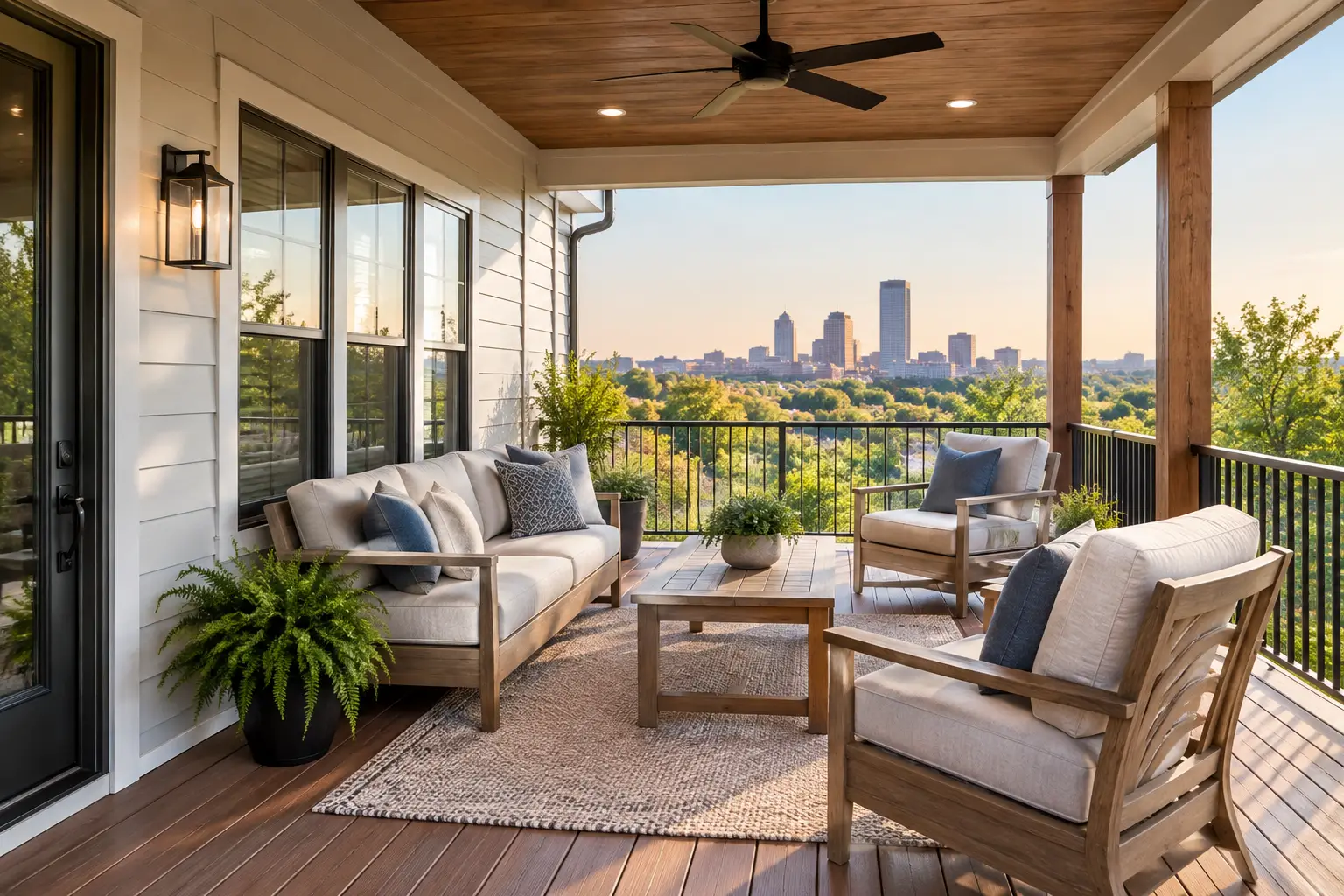
A porch can do more than make the front of a house look finished. It can give you a dry place to greet guests, a shaded spot for a quiet morning, and a more useful transition between your home and the outdoors. The best Tulsa porch builders start with how you want to use that space, then design around the home you already have.
That sounds simple, but it keeps a porch project grounded. A beautiful design that blocks light from a main room, crowds a walkway, or fails to handle Oklahoma rain and wind is not a practical improvement. The right plan balances appearance, daily function, maintenance, and the condition of the existing house.
Start With the Porch's Job
Before choosing posts, railings, or ceiling finishes, decide what the porch needs to accomplish. Some homeowners need a covered front entry that keeps rain off the door and gives visitors a place to stand. Others want a larger gathering area where the family can sit outside without being fully exposed to the sun.
A covered porch may be the right answer when the main goal is shelter. A screened porch can make more sense if bugs, wind-blown debris, or close neighbors keep you from using an open space. If you already have a patio or deck, the project might be less about adding square footage and more about adding shade, protection, and a more comfortable place to spend time.
Think through the ordinary moments, not just holiday gatherings. Where will people enter? Will you carry groceries through this area? Do you want room for a bench, chairs, or a small dining table? These answers affect the footprint, traffic flow, roofline, and railing layout.
What Tulsa Porch Builders Should Evaluate First
Every home presents a different set of conditions. A porch addition has to look like it belongs, but it also needs a sound connection to the house and a structure suited to the site. A clear project discussion should account for the existing exterior before anyone settles on a final design.
The home’s architecture and roofline
Porch roofs are especially visible. The pitch, height, trim details, columns, and connection points should complement the home rather than look added as an afterthought. A low roofline may limit ceiling height. A taller two-story home may need a design with enough visual presence to feel proportional.
Matching every detail exactly is not always necessary, especially on an older home where materials have changed over time. What matters is a thoughtful relationship between the porch and the rest of the exterior. Siding, windows, doors, shutters, and trim can all influence the final look.
The existing foundation and site conditions
A contractor should consider the ground around the home, drainage patterns, and the condition of the area where the porch will sit. Water needs to move away from the house, not collect near posts, steps, or the foundation. On a sloped lot, stair placement and railing needs may shape the design as much as the porch itself.
If the project connects to an existing deck, concrete patio, or entry landing, those surfaces need an honest evaluation. Sometimes they can be incorporated. Other times, repair or replacement is the more dependable choice before adding new construction above or beside them.
Sun, rain, and prevailing weather
Tulsa-area weather asks a lot of exterior spaces. Summer heat can make an uncovered west-facing entry difficult to use. Heavy rain can expose weak drainage details. Strong wind can make a lightly built screen enclosure feel less comfortable and less durable over time.
The direction your porch faces matters. Deep roof overhangs, a properly sized covered area, screening, and the placement of openings can all change how the space feels during different seasons. There is no single best porch design for every house. It depends on the exposure, the surrounding trees, and how the household plans to use it.
Size It for Real Use
One of the most common mistakes is building a porch that is technically large enough but not actually comfortable. A narrow front porch may hold a few decorative planters, but it will not necessarily accommodate chairs without blocking the route to the door.
Measure the furniture you expect to use and leave room to move around it. If a porch is meant for conversation, people should be able to sit down without turning sideways or squeezing past a table. If it serves as the primary entry, the path to the door should remain clear even when packages, umbrellas, or guests are present.
A larger footprint can add usefulness, but it also changes the project. It may require more support, more roofing integration, and greater consideration of sightlines from inside the home. The goal is not simply to build bigger. It is to build a porch that earns its place in your routine.
Choose Materials With Maintenance in Mind
Material choices should support the style of the home and the amount of upkeep you want to take on. Wood offers warmth, flexibility, and the handcrafted character many homeowners want in columns, railings, ceilings, and trim. It also needs proper detailing and regular attention to hold up well outdoors.
Other porch components may offer a different balance of appearance and maintenance. The best combination depends on the project, the existing home exterior, and your priorities. A traditional wood feature may be worth the maintenance for the right house. In another case, a lower-maintenance option may better fit a busy household or a home being prepared for sale.
Do not treat railings as an afterthought. They affect safety, views, curb appeal, and the porch’s overall style. Open railings can make a smaller space feel less enclosed, while a more substantial design can add definition and privacy. The choice should work with the height of the porch and how close it sits to the sidewalk, driveway, or neighboring homes.
A Porch Project Can Be Part of a Larger Exterior Plan
Porch work often reveals opportunities to improve the rest of the exterior at the same time. An aging front door, worn trim, damaged siding, or mismatched shutters may be more noticeable once new porch construction is in place. Coordinating related improvements can create a more finished result and reduce the need to disturb the same area later.
That does not mean every porch project needs to become a full exterior renovation. Sometimes the right decision is to focus on one well-planned improvement. But it is useful to discuss the larger picture early, particularly when porch posts, roofing, siding, doors, or windows meet in the same area.
What a Clear Porch-Building Process Looks Like
A good first conversation should feel practical, not pressured. Tell the contractor what you want to accomplish, what bothers you about the current space, and how long you expect to stay in the home. Share photos or examples if you have them, but leave room for guidance based on your home’s actual dimensions and condition.
During the estimate process, ask how the new porch will connect to the house, how water will be directed away, what work may be needed around the existing exterior, and what decisions you need to make before construction begins. Clear communication about the scope helps prevent surprises and gives you a better basis for comparing options.
It is also reasonable to talk about the project timeline and how access to the entry may change during construction. Porch work can affect a front or back door that your household uses every day. Planning for that disruption makes the process easier to manage.
Build for Comfort, Not Just Curb Appeal
A well-built porch can improve curb appeal, but the better measure is whether it makes home feel better. Does it give you a covered place to pause before coming inside? Does it make the entry more welcoming? Does it create outdoor space your family will use instead of simply admire from the driveway?
For homeowners in Tulsa and surrounding communities, that often means choosing a design that respects the home, handles changing weather, and fits the way life happens day to day. Shipman Home Improvement approaches porch projects with that kind of practical, personal attention. A clear, no-pressure conversation is a good place to start when you are ready to turn an underused exterior area into a space with a real purpose.