
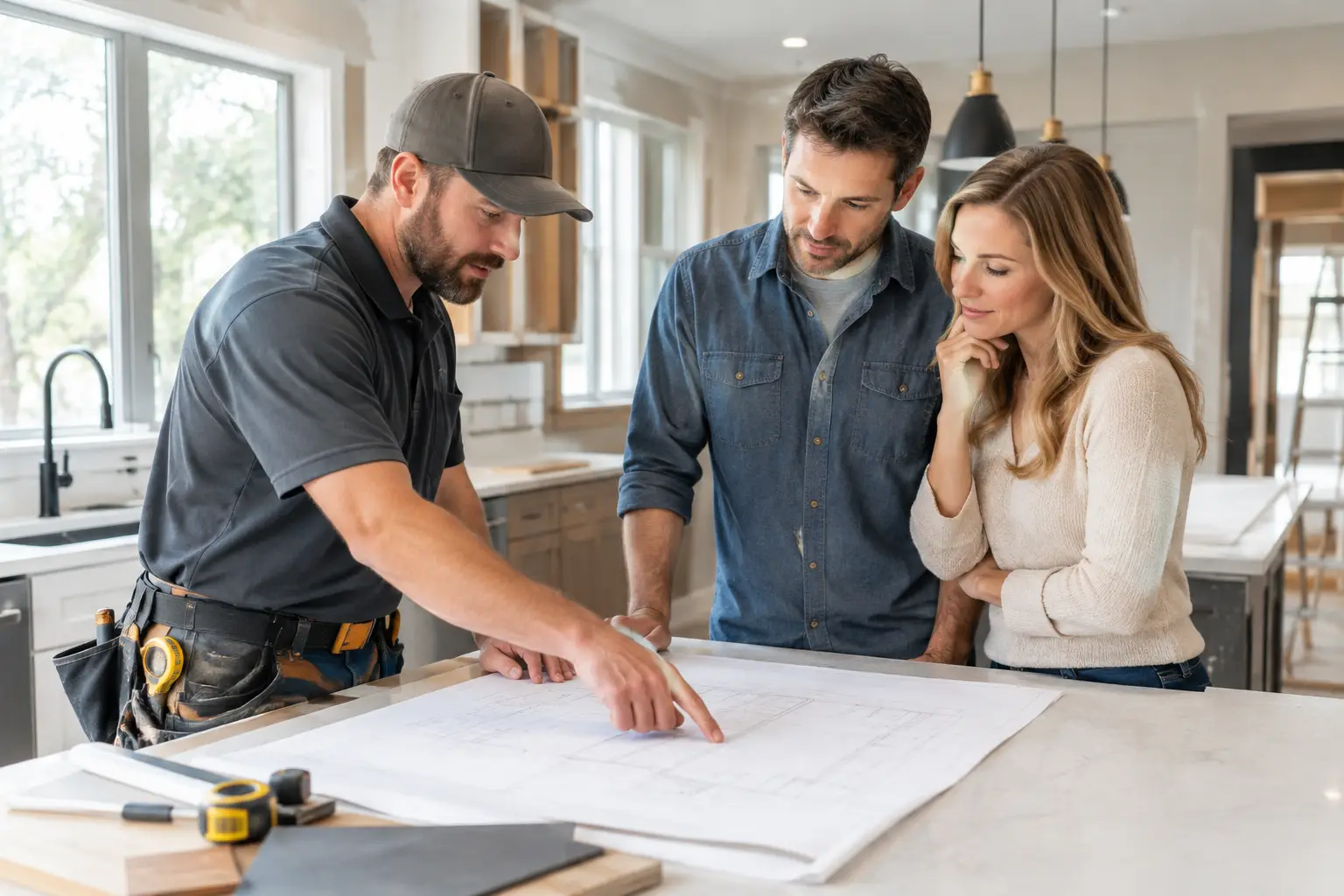
A remodeling project can begin with a simple goal: replace a worn bathroom, make a kitchen work better, build a safer porch, or finally address aging siding. The harder question is how to choose a remodel contractor who will understand that goal, communicate clearly, and do work that suits your home. The right decision is rarely about finding the fastest estimate or the lowest number. It is about finding a capable local partner whose process gives you confidence before work begins.
For Tulsa-area homeowners, that matters even more when a project involves older homes, weather exposure, uneven past repairs, or a space that needs to serve a growing family for years to come. A good contractor helps you see the practical choices in front of you without turning the conversation into a sales pitch.
Start With What You Want to Accomplish
Before comparing contractors, get clear on the purpose of your project. You do not need a full set of plans to begin a conversation. But you should be able to explain what is not working now and what you want the finished space or exterior to do better.
For example, a bathroom update may be about accessibility, easier cleaning, storage, or replacing materials that have worn out. A new deck may be about creating a safer outdoor area, improving traffic from the house to the yard, or making room to gather. Replacement windows may be driven by drafts, difficult operation, appearance, or moisture concerns.
That clarity helps a contractor recommend an appropriate scope rather than treating every project as a standard package. It also makes estimates easier to compare. Two proposals can look very different because the contractors are solving different problems, using different materials, or making different assumptions about what is included.
Bring photos, a short wish list, and examples of styles you like if you have them. Just as useful is a list of priorities in order: function first, perhaps, then durability, appearance, timeline, or budget. There are usually trade-offs. A material that is easy to maintain may have a different look than natural wood. A larger layout change may add cost and time but solve a daily frustration for good. A thoughtful contractor should talk through those choices with you.
Look for Relevant Work, Not Just a Long Service List
A contractor can have years of experience and still not be the best match for your particular project. Ask about work that is similar in type, scale, and condition to your home. A company that handles exterior improvements, carpentry, kitchens, bathrooms, repairs, and outdoor structures may be a strong fit for projects where those areas overlap. But the details still matter.
If your home needs custom exterior shutters, for instance, ask how measurements, proportions, mounting, and the home’s style will be considered. If you are remodeling a bathroom, discuss the current layout, access needs, surfaces, and how the space is used each day. For a deck or porch, ask how the structure will connect to the house and how the finished design will fit the yard and the way your family gathers outdoors.
Photos of completed work can be useful, but they should support a more meaningful conversation. Ask what challenges commonly arise in homes like yours and how the contractor approaches them. An experienced professional will not pretend every older wall, floor, or exterior surface is predictable. They should be able to explain how they investigate conditions, communicate discoveries, and keep you informed if the original scope needs adjustment.
Pay Attention to the First Conversation
The estimating appointment often tells you a great deal about the working relationship ahead. Does the contractor listen before recommending a solution? Do they ask practical questions about how you use the space, what concerns you most, and what your priorities are? Are they willing to explain options in plain language?
A clear, no-pressure conversation is not a small detail. Remodeling requires decisions, access to your home, and trust over a period of time. You should not feel rushed into signing before you understand the work. At the same time, be cautious if a contractor offers broad promises without looking closely at the project or asking enough questions.
Good communication is specific. Rather than saying a project will simply “look great,” a contractor should be able to discuss the intended work, likely materials, installation approach, expected timing, and the decisions still to be made. You may not have every answer at the first meeting, but you should leave knowing what happens next.
Compare Written Estimates Carefully
When you receive estimates, compare the scope before comparing the total. The least expensive proposal is not automatically a bargain if key parts of the work are missing, vaguely described, or left for later discussion. A higher estimate is not automatically better, either. What matters is whether you can see what you are being asked to approve.
A useful estimate should help answer questions such as these: What work is included? Which materials or product selections are identified? What preparation, removal, repair, cleanup, or finish work is part of the plan? Who is responsible for each portion of the job? What assumptions are being made about existing conditions?
Ask for clarification when language feels too broad. Terms such as “as needed” can be reasonable when hidden conditions are unknown, but you should understand what could trigger additional work and how that conversation will happen. Remodeling is not always predictable, especially in homes with deferred maintenance or prior alterations. The goal is not to eliminate every unknown. It is to choose a contractor who handles unknowns honestly and methodically.
Ask How the Project Will Be Managed
Craftsmanship matters, and so does organization. Ask who will be your main point of contact, how scheduling updates are handled, and how you will be notified if something changes. You can also ask about daily jobsite expectations, including access to the home, work hours, cleanup, and protecting nearby areas.
This is especially helpful for projects that affect everyday living. A kitchen or bathroom remodel can disrupt routines. An exterior project can involve noise, equipment, and changing access around the house. A contractor who sets realistic expectations helps you plan rather than leaving you to guess.
It is also fair to ask whether the company uses its own team, specialty trades, or a combination of both. There is no single answer that fits every project. What matters is accountability: you should know who is doing the work and who will respond if you have a question.
Check Local Reputation and Business Stability
Look beyond a star rating. Read reviews for patterns in communication, workmanship, responsiveness, and follow-through. Ask neighbors, friends, or family members who have completed similar work which parts of the experience went well and what they would do differently.
A long local history can be meaningful because remodeling work should not be treated as a one-time transaction. An established contractor has a reputation in the community to protect and experience working with the housing styles, weather, and homeowner expectations common in the area. Shipman Home Improvement has served Tulsa-area homeowners since 1982, but any contractor you consider should be evaluated by the quality of the conversation and the clarity of the proposed work for your home.
You can also ask for current business information and discuss the protections that apply to the work being proposed. A professional contractor should be comfortable addressing reasonable questions directly.
Notice These Warning Signs
Most homeowners do not need to become construction experts to spot trouble. Pause and ask more questions if you encounter several of these signs:
- Pressure to sign immediately or a discount that disappears unless you decide on the spot.
- A quote that is far lower than others but does not clearly describe the work or materials.
- Reluctance to put the scope, payment expectations, or changes in writing.
- Vague answers about who will perform the work or who will manage the project.
- A contractor who dismisses your questions, avoids discussing trade-offs, or promises that nothing can go wrong.
One concern may have an explanation. Several concerns together are a reason to keep looking. Your home is too important for a decision made under pressure.
Choose the Contractor You Can Work With
The best contractor is not always the one with the most polished presentation. It is the one who understands the project, gives you useful information, respects your priorities, and makes the next step clear. You should feel comfortable asking questions now, because you will need that same openness if decisions arise during the project.
Take the time to compare more than price. Consider the completeness of the estimate, the relevance of the contractor’s experience, the quality of communication, and whether the proposed solution fits your goals. Tell the contractor what you want to accomplish, listen to their practical guidance, and choose the team that makes your home improvement decision feel informed rather than rushed.