
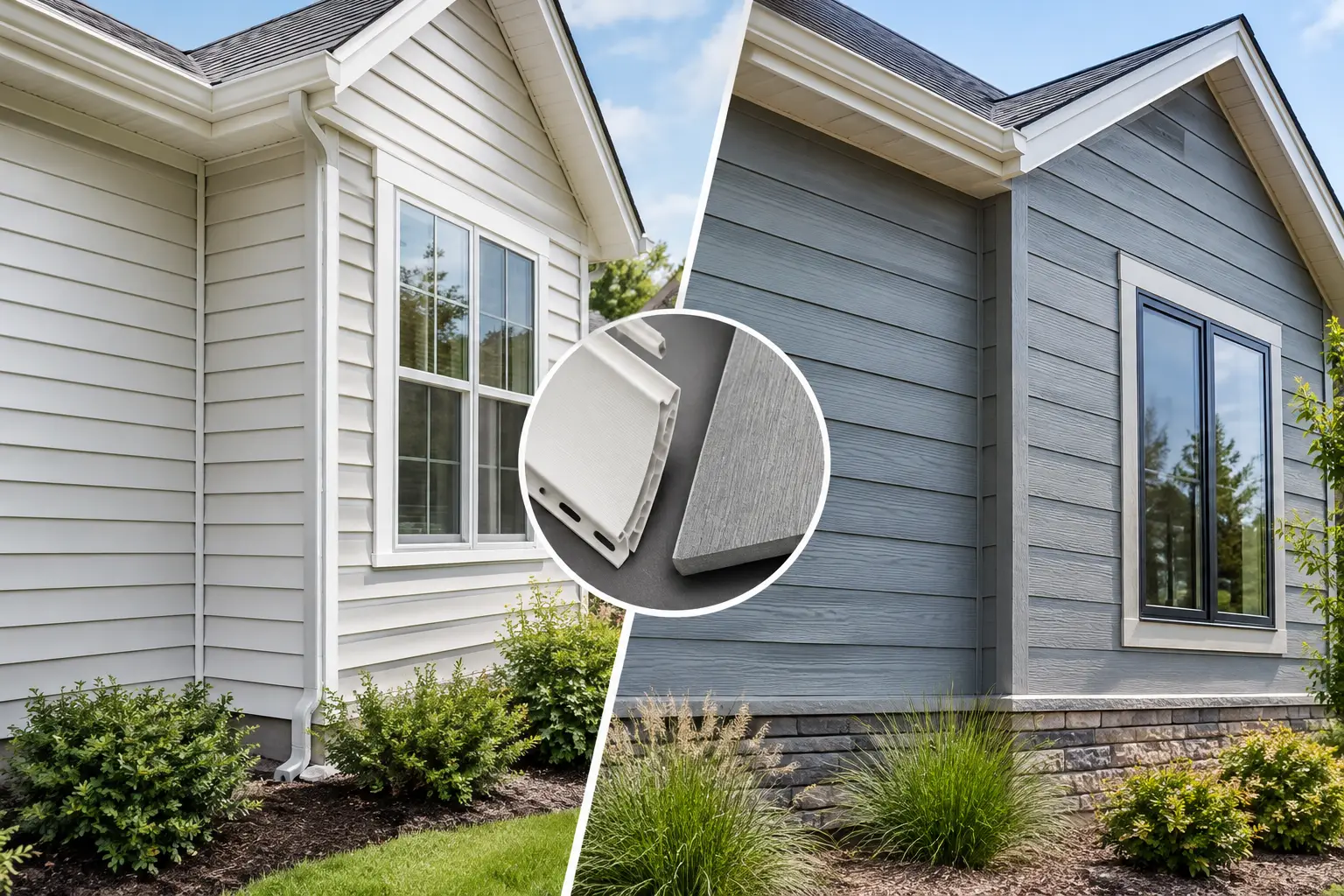
A siding decision becomes real when you look closely at what your home needs: faded panels, failing caulk, peeling paint, moisture concerns, or an exterior that no longer suits the house. In the vinyl versus fiber cement siding conversation, there is no universal winner. The right material depends on your home’s condition, your preferred look, how much maintenance you want to handle, and how long you expect to stay.
For homeowners around Tulsa, weather is part of the decision. Summer heat, wind-driven rain, hail, temperature swings, and occasional severe storms all ask a lot of an exterior. A good siding project starts with the material, but it also depends on careful installation, flashing, trim details, and attention to the walls behind the old siding.
Vinyl Versus Fiber Cement Siding at a Glance
Vinyl siding is a lightweight plastic exterior cladding available in many profiles and colors. It is popular because it is generally lower maintenance, does not need painting, and can provide a clean update without the upkeep of a painted exterior.
Fiber cement siding is made from cement, sand, and cellulose fibers. It is typically installed as lap siding, panels, or shingles, and it can create a more substantial, painted-wood appearance. It needs periodic painting and maintenance, but it gives homeowners more flexibility with color changes over time.
Both materials can improve curb appeal and protect a home when selected and installed thoughtfully. The better choice is usually the one that matches your priorities instead of the one that sounds best in a general comparison.
Appearance: How Much Does the Look Matter?
For many homeowners, appearance is the deciding factor. Fiber cement is often chosen for its crisp lines, deeper shadow lines, and ability to resemble traditional wood lap siding. It works especially well on homes with classic, Craftsman, cottage, or historic-inspired details. Because it is painted, it offers a wide range of color possibilities, including custom color selections.
Vinyl has come a long way in its available colors and profiles. It can be a practical choice for homes that need a straightforward, consistent exterior update. Certain profiles work particularly well on ranch homes and other properties where a clean, low-fuss finish is the goal. Vinyl also pairs nicely with exterior accents such as shutters, trim, and new windows.
Look at the house as a whole, not just a sample board. Roof color, brick or stone, window trim, porch details, and the scale of the siding profile all influence whether an exterior feels balanced. This is one reason an in-person consultation is useful. What looks right on a small sample can look very different across an entire wall.
Maintenance: Low Maintenance Is Not No Maintenance
Vinyl is often the simpler option for ongoing care. It does not require regular repainting, and routine cleaning with a gentle wash can remove dirt, pollen, and mildew buildup. Homeowners should still inspect it periodically for loose pieces, cracked panels, gaps around trim, or damage after severe weather.
Fiber cement is durable, but a painted finish requires attention. Caulk joints, trim, and painted surfaces should be inspected regularly and maintained as needed. Repainting is part of owning fiber cement siding, though the timing varies with sun exposure, weather, color choice, and the quality of the previous paint job.
That does not make fiber cement a poor maintenance choice. It simply means its upkeep resembles that of a painted exterior. If you appreciate the option to refresh the color years from now, that responsibility may be well worth it. If repainting is a task you would rather avoid, vinyl may fit your plans better.
Weather Performance in the Tulsa Area
Oklahoma weather can make material performance feel less theoretical. Vinyl expands and contracts as temperatures change, so proper installation is essential. Panels need room to move naturally; fastening them too tightly can lead to buckling or waviness. Darker vinyl colors may also absorb more heat, which is worth discussing when considering color and exposure.
Fiber cement is dimensionally stable and handles heat well. It is also noncombustible, which may matter to some homeowners. Its weight and rigidity can give it a solid feel, but those same qualities make skilled handling and correct installation especially important.
Neither product is invincible. Hail, flying debris, and impact can damage many exterior materials in different ways. Vinyl may crack under a hard impact, while fiber cement can chip or crack. The practical question is not whether a material can ever be damaged. It is how the material fits your home, the exposure of each wall, and your comfort with future maintenance or repairs.
What Is Behind the Siding Matters Too
A siding replacement is an opportunity to look beyond the visible surface. Old siding can hide deteriorated wood, moisture entry points, insect damage, or poorly detailed areas around windows and doors. Installing new siding over an unresolved problem only covers it up.
A careful contractor should evaluate the condition of the exterior walls and discuss any needed repairs before the project moves forward. Water-resistive barriers, flashing, trim, and the transitions around windows, doors, corners, and penetrations matter as much as the siding itself. These details help direct water away from the structure and support the long-term performance of the finished exterior.
This is also a good time to think about related improvements. Replacement windows, exterior doors, trim work, custom shutters, and porch updates can sometimes be planned together so the finished home looks intentional rather than pieced together over several years.
Installation Is a Major Part of the Investment
Material comparisons can make siding sound like a product-only decision. In reality, installation quality has a major effect on appearance and performance.
Vinyl requires proper nailing, spacing, and trim work so it can move with changing temperatures while still looking straight and secure. Fiber cement requires accurate cutting, fastening, clearances, and paint-ready finishing. Both call for careful work around openings and roof-to-wall transitions.
Fiber cement is heavier and more labor-intensive to install, which can affect the overall project scope. Vinyl is lighter and often faster to handle, but it should never be treated as a shortcut. A clean result still depends on straight courses, well-planned trim, and thoughtful treatment of the home’s existing conditions.
When comparing estimates, make sure you understand what is included. Ask how damaged areas are handled if they are discovered, what trim and finishing work is planned, and how window and door openings will be addressed. A clear conversation before work begins helps prevent confusion later.
Choosing Based on Your Priorities
Vinyl may be the better fit if you want lower routine maintenance, prefer a consistent factory color, and are looking for a practical exterior update with a simpler care plan. It can be an especially sensible choice when the home’s style and your color preferences align with available vinyl profiles.
Fiber cement may be the better fit if you want a more traditional painted-siding look, value broad color flexibility, or want a material that remains stable through heat changes. It can suit homeowners who see exterior painting as an acceptable part of long-term home care.
Budget matters, but it should be considered alongside the full scope of the work. The least expensive material choice is not always the best value if it does not deliver the appearance, maintenance level, or project outcome you want. On the other hand, paying more for a material does not automatically make it the right choice for every house.
Start With a Clear Conversation
A siding project should leave your home better protected and more enjoyable to come home to. Before selecting a product, walk around the property with a contractor, discuss the trouble spots you have noticed, and be honest about the look and upkeep you want.
Shipman Home Improvement has helped Tulsa-area homeowners make practical exterior decisions since 1982. Tell us what you want to accomplish, and start with a clear, no-pressure conversation about the siding option that makes sense for your home.