
A window can look perfectly fine from the curb and still make a room uncomfortable every afternoon. If one side of your home feels hotter in summer, colder in winter, or noticeably drafty when the wind picks up, window efficiency may be part of the reason. The right replacement window is not simply a piece of glass in a frame. It is a carefully fitted part of your home’s exterior that affects comfort, light, noise, moisture control, and energy use.
For Tulsa-area homeowners, that matters through long stretches of summer heat, sudden temperature changes, heavy rain, and high winds. Choosing wisely starts with understanding what makes one window perform differently from another - and why installation deserves as much attention as the window itself.
What window efficiency really means
Window efficiency is the window’s ability to limit unwanted heat transfer while still giving your home the daylight, views, and ventilation you want. In plain terms, an efficient window helps keep conditioned indoor air where it belongs and reduces the effect of outdoor weather on the room.
No single number tells the whole story. A window that performs well for a shaded wall may not be the best choice for a large, west-facing opening that gets direct afternoon sun. The condition of the existing opening, the direction the window faces, the amount of shade around the home, and your priorities all shape the right decision.
7 window efficiency details to compare
1. The glass package
Most replacement windows use insulated glass units with two panes of glass separated by a sealed space. That space slows heat movement compared with a single pane. Some glass packages also use an insulating gas between the panes, which can further improve performance.
The best option depends on the opening. A homeowner may want more help controlling heat on sunny exposures, while another may be focused on keeping a bedroom warmer on cold nights. Glass can also be selected to manage glare and reduce the amount of ultraviolet light that reaches flooring, furniture, and window treatments.
2. Low-E coatings
Low-E, short for low emissivity, is a nearly invisible coating applied to glass. It helps control radiant heat, which is the heat you feel from the sun or from a cold glass surface on a winter day.
This is one of the details worth discussing in a clear, no-pressure conversation. Different coatings can favor different results. A home with broad west-facing windows may benefit from stronger solar control, but a choice that blocks more solar heat can also slightly change the character of incoming light. The goal is not to chase a label. It is to choose glass that fits the room and the home.
3. U-factor
U-factor measures how readily a window transfers heat. Lower values generally mean better insulation. It is particularly relevant when you are trying to reduce the cold feeling near windows during winter or improve the consistency of room temperatures.
Still, a lower U-factor should be weighed alongside other qualities. A window is part of a complete assembly, including its frame, glass, weatherstripping, and installation. Comparing only one performance number can leave out the practical details that affect how the window feels day to day.
4. Solar heat gain
Solar heat gain describes how much of the sun’s heat passes through a window. Lower solar heat gain can help reduce heat buildup in rooms exposed to direct sun, especially on south- and west-facing walls.
That does not mean every window should have the lowest possible solar heat gain. In a room that receives limited sunlight, homeowners may prefer to preserve more natural warmth and brightness. Window efficiency is often about balance rather than choosing the most extreme rating in every category.
5. Frame materials and construction
The frame holds the glass in place, but it also contributes to insulation, durability, and weather resistance. Material, chamber design, reinforced sections, and the quality of corners and seals can all affect performance.
A frame also needs to suit the home’s appearance and the size of the opening. A large picture window, a traditional double-hung window, and a compact bathroom window have different structural and visual demands. Good recommendations account for both performance and proportion, rather than treating every opening alike.
6. Air leakage and weatherstripping
When homeowners describe a draft, they are often noticing air leakage around a sash or frame. Quality weatherstripping, tight operating hardware, and a properly built window help reduce that movement of air.
Air leakage can make a room feel uncomfortable even when the thermostat says the temperature is fine. It can also carry dust and outdoor humidity indoors. If your current windows rattle, whistle in strong wind, or require towels along the sill during storms, those are practical signs worth bringing up during an estimate.
7. Proper installation and flashing
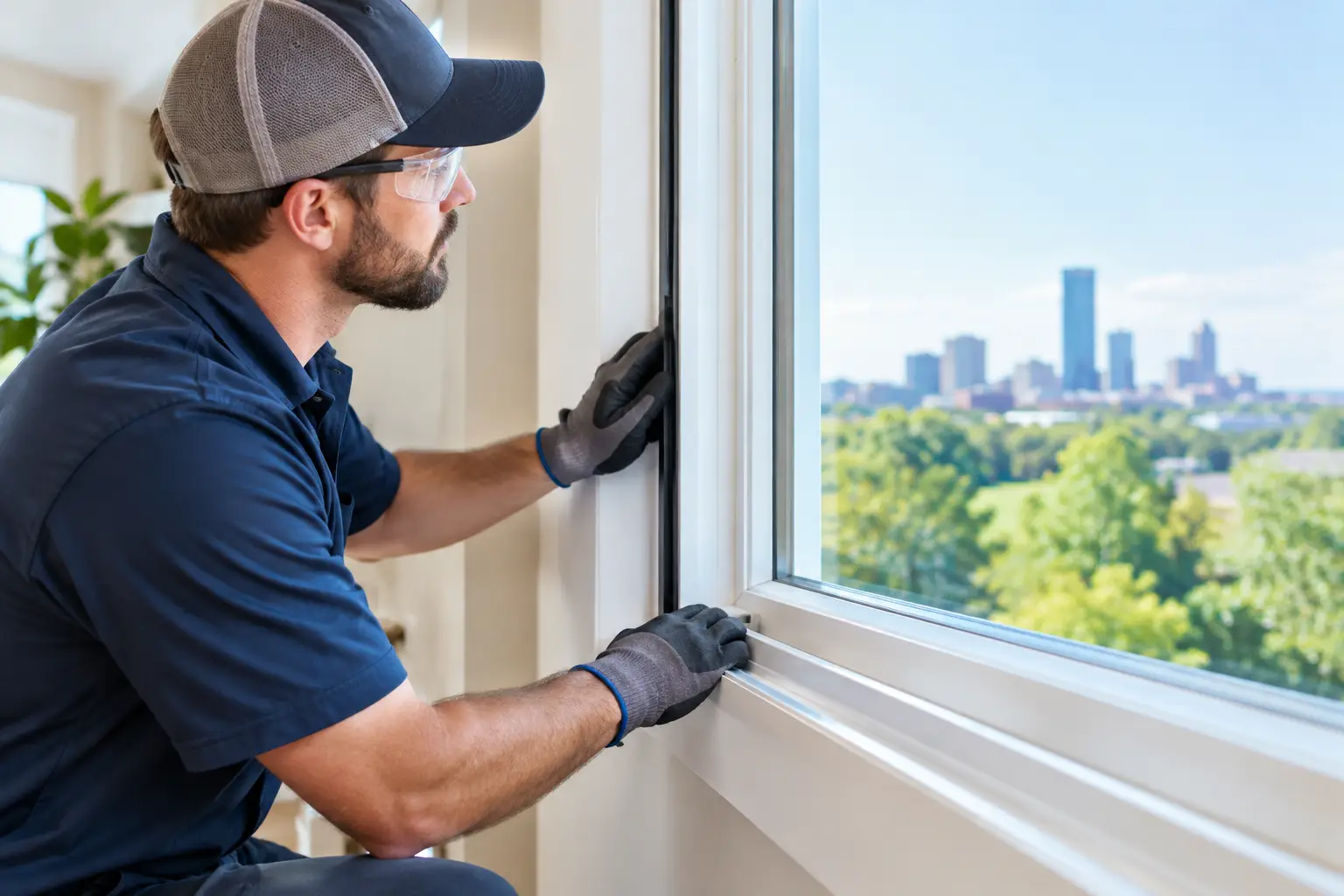
A high-performing replacement window cannot make up for a poorly prepared opening. The installer must assess the existing frame, look for signs of water damage or rot, make needed repairs, set the window squarely, insulate the gaps appropriately, and seal the exterior correctly.
This step protects more than efficiency. It helps manage water around the opening and gives the window the stable support it needs to operate properly. Sometimes the surrounding trim or siding needs attention as part of the work. That is not an inconvenience to ignore. It is often the difference between a quick replacement and a sound long-term improvement.
Signs your windows may be holding your home back
Condensation between panes, difficult operation, soft or deteriorated wood around the opening, and visible gaps are all reasons to take a closer look. So are rooms that remain uncomfortable despite normal thermostat settings, fading near sunny windows, and outdoor noise that feels unusually present inside.
Some issues can be addressed with repairs, caulking, or trim work. Others point to a failed insulated glass unit, worn-out window components, or moisture damage that needs a more complete solution. An in-person assessment is useful because the same symptom can have different causes. Condensation on the room side of the glass, for example, may relate to indoor humidity, while moisture between panes usually indicates a failed seal.
How to make a practical replacement decision
Start with the rooms that cause the most trouble. You do not always need to replace every window at once to make a meaningful improvement. Addressing a drafty living room, a hot upstairs bedroom, or windows with visible deterioration can be a sensible first phase.
Before choosing a style or glass package, think about how each room is used. Do you need easier cleaning on an upper floor? More ventilation in a kitchen? Better privacy in a bathroom? A clearer view of the backyard? These everyday needs should guide the conversation alongside efficiency ratings.
It also helps to consider the surrounding exterior. Replacement windows may be part of a larger plan involving siding, exterior trim, shutters, or repairs. Coordinating related work can create a more finished appearance and help avoid doing the same trim or siding work twice.
A better window should feel like part of the home
The most satisfying window upgrade is usually noticed in small ways: a room that stays more even in temperature, a sash that opens without a struggle, less glare across the floor, and trim that looks clean and belongs with the house. Those details add up.
If you are weighing replacement windows, bring your questions, concerns, and priorities to the first conversation. Shipman Home Improvement can help you look at the condition of the openings and talk through practical options without pressure. A well-chosen, well-installed window should make home feel better long after the work is complete.