
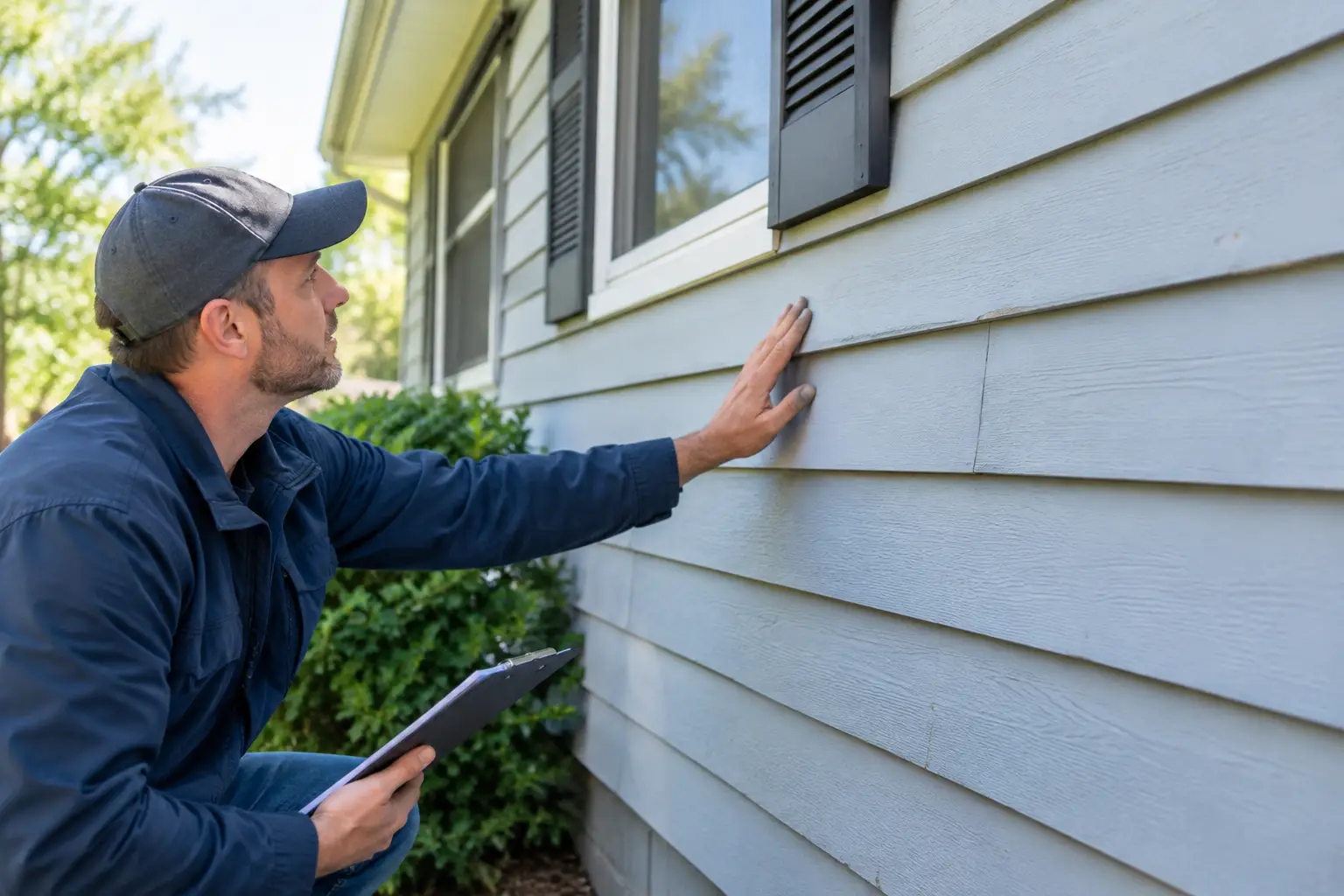
A loose board after a windstorm is one thing. Widespread cracking, swelling, or soft spots around several walls is another. Knowing when to replace siding helps you address a home’s outer protective layer before a manageable concern turns into hidden moisture damage, drafts, or a larger repair project.
For Tulsa-area homeowners, siding has to stand up to intense sun, driving rain, humidity, temperature swings, and the occasional hard storm. It also has a major effect on curb appeal. The right decision is not always “replace everything now.” Sometimes a focused repair is the sensible path. The key is understanding what your siding is telling you and getting a clear look at the condition behind it.
When to Replace Siding Instead of Repairing It
Repairs make sense when damage is limited, the surrounding material is still sound, and a close color and profile match is available. A small impact hole, one loose piece of trim, or an isolated damaged panel may not call for a full replacement.
Replacement becomes the better long-term choice when problems are repeated, widespread, or tied to moisture getting behind the siding. Once the material no longer sheds water reliably, patching the visible surface alone may not solve the underlying issue. The same is true when many repairs would leave an exterior that looks uneven or continues to need attention every season.
Age matters, but it is not a deadline by itself. Some siding reaches the end of its useful life earlier because of installation issues, sun exposure, storm damage, or years of deferred maintenance. Other homes need selective repairs long before the siding as a whole is worn out. Condition should lead the conversation.
9 Signs Your Home May Need New Siding
1. Cracks, holes, or broken sections keep appearing
A single crack can often be repaired. But cracks across multiple walls, chipped edges, or panels that have become brittle are a different signal. Openings give water and insects a route behind the exterior surface, where damage can stay out of sight.
2. Boards are warped, buckled, or pulling away
Siding should sit flat and secure against the home. Warping and buckling can result from moisture exposure, aging, heat, or movement behind the material. Pieces pulling away at seams or corners may allow wind-driven rain to reach the wall assembly.
3. You find soft spots or rot
Wood that feels soft, flakes apart, or darkens around edges and joints deserves prompt attention. Rot does not usually stop on its own. A contractor should inspect the affected area to determine whether the issue is limited to a board or involves trim, sheathing, or framing behind it.
4. Paint will not hold up
Paint eventually needs maintenance, especially on wood products. Still, paint that peels, blisters, or fades soon after repainting can point to moisture problems or deteriorated siding beneath it. Repainting over failing material may improve appearance briefly without addressing the cause.
5. Caulk failures are becoming routine
Caulk around windows, doors, trim, and joints helps close small gaps, but it is not meant to compensate for worn-out siding. If you are constantly replacing cracked or separated caulk in the same places, look at the broader condition of the exterior.
6. Moisture signs show up indoors
Stains on interior walls, peeling paint near windows, musty odors, or unexplained dampness can have several causes. Siding is one possible entry point, particularly when exterior cracks, gaps, or failed trim are nearby. A careful assessment can help separate a siding concern from another source of moisture.
7. Insects are getting into damaged areas
Insects are drawn to openings and damp, decaying wood. Seeing activity near soft siding, trim, or gaps should not automatically mean the whole house needs replacement, but it does mean the affected materials need a closer look. Closing the entry point without repairing decayed material can leave the problem unfinished.
8. Your energy bills have changed without a clear reason
Siding itself is only one part of a home’s thermal performance. Windows, doors, insulation, air leaks, and HVAC equipment also matter. But gaps or failing materials on the exterior can contribute to drafts and make rooms less comfortable. If siding replacement is being considered, it is a good time to look at exterior improvements as a coordinated plan rather than in isolation.
9. The exterior no longer fits the home you want to keep
Sometimes the deciding factor is not damage alone. Faded color, dated materials, mismatched past repairs, or worn trim can make a well-loved home feel neglected. New siding can be a practical investment in weather protection and a visible update that better reflects the home’s style.
Look Beyond the Surface Before Making a Decision
The most important part of a siding project may be the work you cannot see from the street. When old siding comes off, the wall beneath should be evaluated for moisture damage, deteriorated sheathing, and trouble around windows, doors, corners, and trim. Addressing those conditions before new materials go on helps protect the value of the installation.
This is also why the lowest-effort option is not always the least expensive over time. Covering a problem can postpone it, but it does not correct damaged materials underneath. On the other hand, replacing sound siding simply because one area needs attention may not be necessary. A project-specific inspection supports a more sensible choice.
Plan Siding Around the Rest of Your Exterior
Siding replacement is often a good opportunity to consider how other exterior elements are performing. If windows or exterior doors are nearing the end of their service life, coordinating work can reduce disruption and create cleaner transitions around openings. Trim, shutters, porch details, and paint colors can also be planned together so the finished exterior feels intentional.
That does not mean every project needs to become a full exterior renovation. Homeowners have different priorities, timelines, and budgets. Sometimes the right next step is replacing siding now and planning other improvements later. The value of a clear conversation is that you can see the options before deciding what fits your home.
Choosing Materials Based on Your Home and Priorities
There is no single best siding material for every Tulsa home. The right choice depends on the home’s design, the level of maintenance you prefer, the condition of the existing exterior, and the look you want to achieve.
Vinyl siding can offer a low-maintenance finish and a broad range of colors and profiles. Fiber cement is often selected for its dimensional appearance and durability, though installation details matter. Engineered wood products can offer the character of wood with different maintenance demands than traditional wood siding. Natural wood has a distinctive look but needs consistent care to stay protected.
Rather than choosing from a sample alone, consider how the material will work with your roofline, windows, doors, masonry, trim, and landscaping. A proportion that looks right on a small sample may feel different across an entire wall. The details at corners, soffits, openings, and transitions are where craftsmanship becomes visible.
What a Straightforward Siding Consultation Should Cover
A useful estimate should begin with your goals, not a sales pitch. Tell the contractor what you want to accomplish: stop recurring repairs, improve curb appeal, correct suspected moisture damage, or prepare the home for a sale. Then ask for a clear explanation of what is being found, what can be repaired, and what replacement would involve.
You should also understand how damaged material behind the siding would be handled if it is discovered during the project, along with the scope of trim and finishing work. Ask about the installation sequence, expected disruption, and how the new siding will meet windows, doors, and other exterior features. Clear answers early make for fewer surprises later.
Shipman Home Improvement has worked with local homeowners since 1982, bringing a practical, no-pressure approach to exterior projects. The goal is not to push a larger project than your home needs. It is to help you see the condition clearly and choose an improvement that makes sense for your priorities.
If your siding is showing several of these signs, do not wait for a small gap or soft spot to become a larger unknown behind the wall. A thoughtful inspection and an honest conversation can give you a sound next step and help your home feel protected, cared for, and ready for the years ahead.